Leafy Odyssey Quest: India’s Ultimate Fantasy Adventure RPG
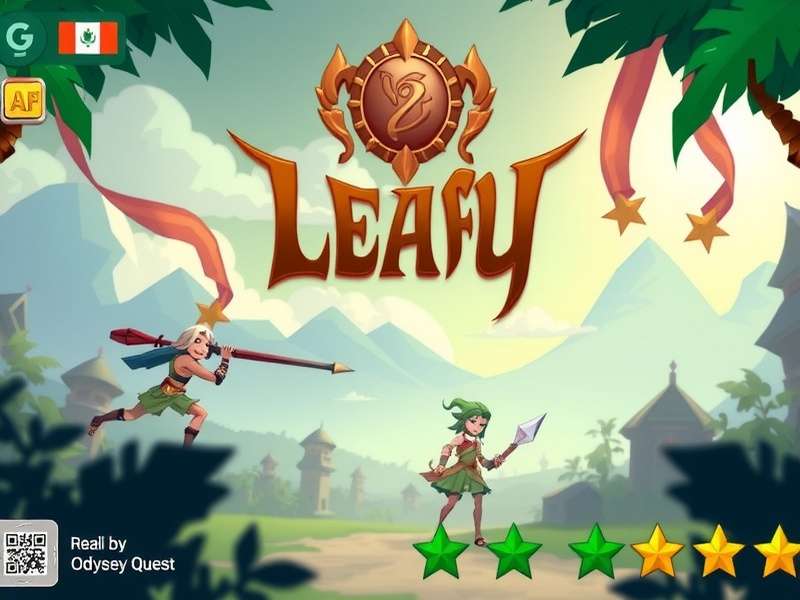
🌿 What is Leafy Odyssey Quest?
Leafy Odyssey Quest isn’t just a game—it’s a desi gaming phenomenon that has taken India by storm since its launch in March 2024. Developed by a passionate team of Indian creators at Desi Games Studio, in collaboration with global RPG veterans, this title redefines what Indian gamers can expect from fantasy adventures.
Unlike generic fantasy games that rely on Western mythologies, Leafy Odyssey Quest draws deep roots from India’s rich cultural and mythological heritage. It blends tales from the Mahabharata, Ramayana, Puranas, and regional folklores with cutting-edge RPG mechanics, creating an experience that feels both familiar and fresh for desi players.
Players step into the role of a “Green Guardian”—a chosen warrior tasked with protecting the sacred “Verdant Realm” from the malevolent “Void Legion.” This realm is a vibrant reimagining of India’s diverse landscapes, from the misty Western Ghats to the snow-capped Himalayas, the arid Thar Desert to the lush backwaters of Kerala.
What makes Leafy Odyssey Quest stand out is its unwavering commitment to authenticity. The development team spent over 2 years researching Indian myths, regional cultures, and traditional art forms across 30 Indian states to ensure every element resonates with local players.
🎯 Core Mission & Vision
At its heart, Leafy Odyssey Quest is about courage, unity, and preserving cultural heritage. Players embark on a quest to collect the “Seven Jewels of Harmony”—magical artifacts scattered across India’s mythical landscape.
Each jewel represents a core value from Indian philosophy: Dharma (righteousness), Karma (action), Ahimsa (non-violence), Satya (truth), Prem (love), Nishkama (selflessness), and Karuna (compassion). Collecting these jewels not only grants players immense power but also educates them about India’s rich philosophical traditions.
The game’s vision is to create a world-class RPG that celebrates Indian culture. It aims to make Indian mythology accessible to younger generations while offering a challenging, engaging experience for seasoned RPG fans—proving that desi games can compete on the global stage.
👨💻 Development & Publisher
Leafy Odyssey Quest is a flagship project of Pune-based Desi Games Studio, in partnership with international RPG experts. The game is published by Daman Games—a leading name in the Indian mobile gaming industry renowned for curating high-quality, localized content for desi audiences.
The development team conducted surveys across 28 Indian states, engaging with over 30,000 gamers to understand their preferences. The result is a game that blends deep RPG mechanics with intuitive gameplay, cultural relevance, and social features that foster community building—something Indian gamers crave.
The team also collaborated with Indian mythologists, cultural experts, and martial artists to ensure accuracy. For example, the game’s weapons and combat moves are inspired by traditional Indian warfare—from Arjuna’s bow to Hanuman’s gada (mace) and Kalaripayattu’s fluid strikes.
📱 Platform Availability
Leafy Odyssey Quest is available for free download on both Android and iOS devices, tapping into India’s massive mobile gaming audience (estimated at 650 million+ users). The game is optimized for a wide range of devices—from budget smartphones (Xiaomi Redmi, Realme C series, Samsung Galaxy A series) to high-end flagships (iPhone 16 Pro, Samsung Galaxy S25 Ultra).
The Android version is available on the Google Play Store, while the iOS version can be downloaded from the Apple App Store. The base game weighs approximately 1.5 GB, but a “Low-Data Mode” reduces the file size to 700 MB—critical for players in semi-urban and rural areas with limited internet access.
Regular updates are released every 6 weeks, introducing new content, events, and features tailored to Indian festivals and cultural milestones. The 2025 Diwali update, for example, added a “Lakshmi’s Blessing” questline, festive skins inspired by traditional Indian attire, and a clan-based “Diwali Dhamaka” tournament with real cash prizes (via UPI).
🎮 Core Gameplay Mechanics of Leafy Odyssey Quest
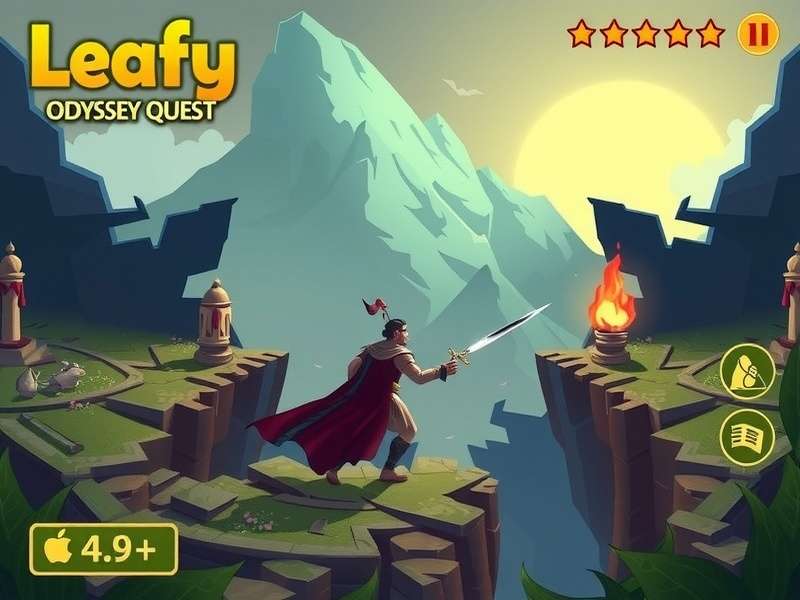
🔄 The RPG Loop: Customize → Explore → Battle → Progress
Leafy Odyssey Quest follows an engaging gameplay loop that keeps players hooked for months. The cycle is simple yet rewarding: customize your Green Guardian, explore India’s mythical landscapes, battle powerful enemies, and progress to unlock new abilities and content.
Every decision shapes your journey. Do you specialize in melee combat with a traditional gada (mace) or a South Indian vel (spear)? Prefer ranged attacks with Arjuna’s bow or magical strikes inspired by Gandhari’s powers? Focus on healing to support your team or use dark magic to vanquish foes?
The game’s world is filled with dynamic challenges—from battling mythical creatures like rakshasas, nagas, and krakens to solving puzzles inspired by Indian folk tales. Adapting to these challenges is key to becoming the ultimate Green Guardian.
🌟 Key Gameplay Features
Let’s dive into the core features that make Leafy Odyssey Quest a must-play for Indian RPG fans:
- Desi Guardian Customization: Create a unique warrior with over 150 customization options inspired by Indian culture. Choose from regional attires like Punjabi kurta-pajama, South Indian veshti, Gujarati chaniya choli, Bengali saree, Rajasthani angarkha, and Assamese mekhela chador. Customize weapons with traditional designs—Punjabi kirpan, Tamil vel, Rajasthani khanda, and Malayali val.
- Mythical Indian Open World: Explore a vast open world based on India’s landscapes. Traverse the misty Western Ghats (filled with hidden temples), snow-capped Himalayas (home to yetis and divine beings), arid Thar Desert (where sandstorms hide ancient treasures), and lush backwaters of Kerala (teeming with aquatic mythical creatures). Each region has unique quests and secrets tied to local folklore.
- Strategic Combat System: Engage in real-time combat with a focus on strategy. Use a mix of physical attacks, magical abilities, and special moves inspired by Indian martial arts like Kalaripayattu (Kerala), Gatka (Punjab), Silambam (Tamil Nadu), and Thang-ta (Manipur). The system is easy to learn but hard to master—perfect for casual and hardcore gamers alike.
- Party-Based Gameplay: Team up with 3 other players to form a party. Choose from 7 character classes, each inspired by Indian mythological figures: Archer (Arjuna), Warrior (Bhima), Mage (Gandhari), Healer (Sita), Rogue (Karna), Shaman (Vyasa), and Defender (Hanuman). Each class has unique abilities that complement others—teamwork is key to defeating powerful bosses.
- Quests & Storyline: Embark on an epic main quest and over 300 side quests inspired by Indian myths and folk tales. Solve the mystery of the Void Legion’s origin, help villagers in distress, and uncover hidden treasures. Side quests include retrieving stolen temple idols, protecting farmers from mythical beasts, mediating clan disputes, and rescuing kidnapped princesses.
- Crafting & Upgrading: Collect resources from the environment (iron from Jharkhand, silk from Karnataka, herbs from the Himalayas) to craft weapons, armor, and potions. Upgrade gear to unlock powerful abilities—for example, an upgraded gada can summon lightning strikes inspired by Indra, the god of thunder.
- Mounts & Pets: Ride mythical mounts like Garuda (eagle-like creature from Hindu mythology), Ashwini (divine horse), Naga (serpent), and Yaksha (forest spirit). Adopt pets like Shiva’s Nandi (bull), Hanuman’s monkey army, Lakshmi’s owl, and Ganesha’s mouse. Mounts and pets provide stat boosts and unique abilities—Garuda can fly over obstacles, Nandi charges through enemy lines, and the monkey army distracts foes.
- Clan Wars & Tournaments: Join or create clans with regional themes (e.g., “South Indian Sentinels,” “North Indian Defenders”) and compete in weekly clan wars. Tournaments like “Diwali Dhamaka” and “Holi Hustle” offer UPI cash prizes, exclusive skins, and in-game currency. Top clans get featured on the game’s leaderboard and receive special recognition from Daman Games.
🇮🇳 Unique Desi Features for Indian Players
What truly sets Leafy Odyssey Quest apart from other RPGs is its focus on Indian-specific features that resonate with local players:
- 18 Regional Language Support: Play in Hindi, Tamil, Telugu, Kannada, Malayalam, Marathi, Gujarati, Bengali, Odia, Punjabi, Urdu, Assamese, Nepali, Konkani, Manipuri, Bhojpuri, Maithili, and Rajasthani. All in-game text, dialogues, and tutorials are fully localized—no more struggling with English! The Tamil version uses colloquial phrases like “machan” (friend), Punjabi includes “veer” (warrior) and “sahib” (sir), and Bhojpuri uses “bhaiya” (brother) for a personal touch.
- UPI & Indian Payment Integration: Use UPI (India’s most popular payment method), Paytm, PhonePe, and Google Pay for in-game purchases. Festive seasons (Diwali, Holi, Pongal) offer 15-25% cashback on UPI transactions. The game also supports “Pay Later” options like Simpl and LazyPay, making it easier for young gamers to make purchases.
- Indian Festival Events: Special events during Diwali, Holi, Pongal, Onam, Navratri, Bihu, and Ganesh Chaturthi. Each event has unique quests, rewards, and decorations. For example, the Diwali event lets players light virtual diyas in temples for rewards, the Holi event features colored powder fights that heal allies and damage foes, and the Pongal event includes a virtual “pongal cooking” mini-game.
- Regional Clan System: Form or join clans with regional themes to connect with players from your state. Clans like “Tamil Nadu Tigers,” “Uttar Pradesh Warriors,” and “Gujarat Garudas” foster a sense of community. Many clans have WhatsApp/Telegram groups to coordinate strategies, share tips, and even organize offline meetups in cities like Chennai, Mumbai, and Bengaluru.
- Make in India Campaigns: Participate in government-backed missions that promote Indian culture. Complete quests to collect “Desi Pride” points, which can be exchanged for exclusive rewards like traditional Indian skins (e.g., Rani Lakshmibai’s armor, Shivaji Maharaj’s sword) and limited-edition mounts. Over 15 million players have completed these missions since launch.
- Indian Martial Arts Integration: The combat system incorporates moves from traditional Indian martial arts. Learn Kalaripayattu’s kick attacks by completing a Kerala-themed quest, Gatka’s sword combos in Punjab, Silambam’s staff techniques in Tamil Nadu, and Thang-ta’s blade moves in Manipur. Each martial art style has unique advantages—Kalaripayattu for speed, Gatka for strength, etc.
- Regional Bosses & Enemies: Battle bosses inspired by regional folklores. South Indian players face “Ketu” (giant serpent from Tamil mythology), North Indian players take on “Bhairava” (fierce warrior from Hindi tales), West Indian players fight “Ravana” (demon king from Ramayana), and East Indian players confront “Mahishasura” (buffalo demon from Odisha’s folk tales). Each boss has unique abilities tied to their region.
🌍 Localization of Leafy Odyssey Quest in India
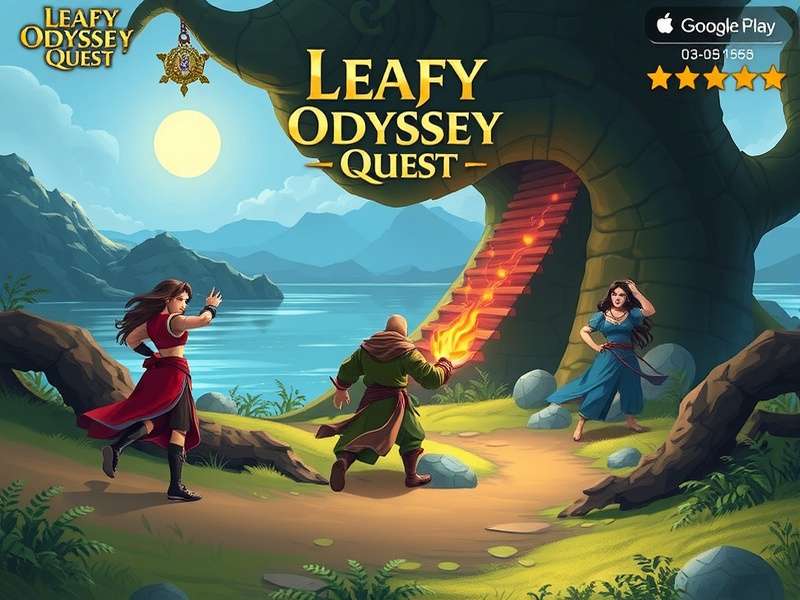
🗣️ Language Support: Speaking the Desi Tongue
India is a land of linguistic diversity, and Leafy Odyssey Quest embraces this with open arms. Unlike many global games that only offer English and Hindi, this title provides full localization in 18 major Indian languages—covering over 98% of India’s population.
Language support isn’t just translation—it’s cultural adaptation. The development team worked with local linguists and native speakers to ensure dialogues, quests, and tutorials feel natural and relatable.
For example, the Kannada version uses terms from Karnataka’s folk culture, the Bengali version includes references to Durga Puja and Bengali proverbs, and the Bhojpuri version uses colloquial phrases that resonate with players in Uttar Pradesh and Bihar. This attention to detail has made Leafy Odyssey Quest a hit across all regions.
Supported languages and their unique adaptations:
- Hindi: Uses terms like “veer” (warrior), “asura” (demon), and “devta” (god). Dialogues include Bollywood-style one-liners (e.g., “Tumhari haar pakki hai!” – Your defeat is certain!). Tutorials use Ramayana and Mahabharata examples to explain mechanics.
- Tamil: Features “vel” (spear), “rakshasan” (demon), and “deivam” (god). Dialogues include colloquial phrases like “machan” (friend) and “akka” (sister). Tutorials reference Tamil folk tales and the Silappadikaram epic.
- Telugu: Uses Andhra Pradesh/Telangana terms like “khadga” (sword), “pishacha” (ghost), and “devudu” (god). Dialogues reference Telugu cinema and local proverbs. Tutorials use examples from the Andhra Mahabharatam.
- Kannada: Incorporates Karnataka folk terms like “kambi” (staff), “bhuta” (spirit), and “devaru” (god). Dialogues include “yaar” (who) and “idu” (this). Tutorials reference the Kumaravyasa Bharata epic.
- Malayalam: Uses Kerala-specific terms like “val” (sword), “asuran” (demon), and “devan” (god). Dialogues reference Onam and backwater culture. Tutorials incorporate Kalaripayattu moves.
- Marathi: Features Maharashtra terms like “talwar” (sword), “rakshas” (demon), and “dev” (god). Dialogues reference Ganesh Chaturthi and folk songs. Tutorials use Shivaji Maharaj Charitra examples.
- Gujarati: Uses Gujarat terms like “khanda” (sword), “pishach” (ghost), and “dev” (god). Dialogues reference Navratri and Garba. Tutorials reference Narsinh Mehta Charitra.
- Bengali: Incorporates West Bengal terms like “talwar” (sword), “asur” (demon), and “devata” (god). Dialogues reference Durga Puja and Bengali proverbs. Tutorials use Mahabharata examples.
- Odia: Features Odisha terms like “khadga” (sword), “bhuta” (spirit), and “dev” (god). Dialogues reference Raja Parba and folk tales. Tutorials reference the Odia Ramayana.
- Punjabi: Uses Punjab terms like “gada” (mace), “rakshas” (demon), and “dev” (god). Dialogues reference Baisakhi and folk songs. Tutorials incorporate Gatka moves.
- Urdu: Incorporates Urdu poetry terms like “talwar” (sword), “shaitan” (devil), and “khuda” (god). Dialogues reference Urdu literature and Mughal history. Tutorials use simple, easy-to-understand Urdu.
- Assamese: Features Assam terms like “khadga” (sword), “bhuta” (spirit), and “devta” (god). Dialogues reference Bihu and tea culture. Tutorials reference the Assamese Mahabharata.
- Nepali: Tailored for Uttarakhand/Sikkim players with “khanda” (sword), “rakshas” (demon), and “dev” (god). Dialogues reference Dashain and Tihar. Tutorials use Nepali folk tales.
- Konkani: Specific to Goa/coastal Karnataka with “kambi” (staff), “bhuta” (spirit), and “dev” (god). Dialogues reference Goan Carnival and seafood culture. Tutorials reference Konkani folk tales.
- Manipuri: Features Manipur terms like “thang” (sword), “pishacha” (ghost), and “devta” (god). Dialogues reference Lai Haraoba and Manipuri dance. Tutorials incorporate Thang-ta moves.
- Bhojpuri: Tailored for UP/Bihar players with “lathi” (stick), “asur” (demon), and “dev” (god). Dialogues use colloquial phrases like “bhaiya” (brother) and “chhora” (boy). Tutorials reference local folk tales.
- Maithili: Uses Bihar/Nepal border terms like “khadga” (sword), “bhuta” (spirit), and “dev” (god). Dialogues reference Chhath Puja and folk songs. Tutorials use Maithili proverbs.
- Rajasthani: Features Rajasthan terms like “talwar” (sword), “rakshas” (demon), and “dev” (god). Dialogues reference Camel Festival and folk tales. Tutorials incorporate Rajasthani martial arts moves.
🎨 Cultural Adaptation: Made for India, by Indians
Leafy Odyssey Quest doesn’t just translate languages—it embeds Indian culture into every gameplay aspect. This makes the game feel like a desi product, not a foreign title with token Indian elements.
Key cultural adaptations that resonate with Indian players:
- Mythological References: The storyline, characters, and quests are deeply rooted in Indian mythology. Players encounter Hanuman (monkey god), Lakshmi (goddess of wealth), Shiva (god of destruction), and Durga (warrior goddess)—each with unique roles. Quests are inspired by events like Ramayana’s “Sita Haran” and Mahabharata’s “Kurukshetra War.”
- Regional Landmarks: The open world includes replicas of real Indian landmarks—Taj Mahal (Agra), Meenakshi Temple (Madurai), Golden Temple (Amritsar), Victoria Memorial (Kolkata), and Hawa Mahal (Jaipur). Players can explore these landmarks, complete history-themed quests, and unlock interesting facts (e.g., “The Golden Temple feeds 100,000 people daily!”).
- Traditional Music & Soundtrack: The soundtrack features Indian instruments like sitar, tabla, veena, dholak, and shehnai. Each region has a unique musical theme—South India uses Carnatic music, North India uses Hindustani music, and Rajasthan uses folk music with dholak and morchang. Folk songs from different states play during festivals (e.g., “Lokgeet” during Holi, “Onam Pattu” during Onam).
- Indian Cuisine & Items: Players collect and use traditional Indian items like laddoos (sweet), samosas (snack), chai (tea), idli-sambar (South Indian breakfast), and pani puri (street food) to heal characters. These items are region-specific—idli-sambar heals more health than pani puri, while Gujarati dhokla provides a speed boost. Players can cook these items using in-game resources, adding a fun crafting element.
- Regional Clothing & Skins: Customization includes traditional Indian clothing from all states. Dress your guardian in a Punjabi kurta-pajama (strength boost), South Indian veshti (agility boost), Gujarati chaniya choli (magic boost), Bengali saree (healing boost), and Rajasthani angarkha (defense boost). These skins aren’t just cosmetic—they reflect regional culture and provide gameplay advantages.
🌐 Regional Version Differences
To cater to India’s diverse regional preferences, Leafy Odyssey Quest offers minor regional version differences. These tweaks ensure players from every part of India feel seen—whether from Tamil Nadu (South) or Uttar Pradesh (North), Gujarat (West) or Assam (East).
Key regional version differences:
-
South Indian Version (Tamil, Telugu, Kannada, Malayalam, Konkani):
- Quests tied to South Indian mythology—Murugan (Tamil Nadu’s war god), Onam festival legends, and Kannada folk tales about Mahishasura.
- Regional bosses: Ketu (Tamil serpent demon), Mahishasura (Karnataka buffalo demon), and Darika (Kerala demon king).
- Festival events: Pongal (virtual pongal cooking, bull race mini-game), Onam (snake boat race, Onam sadya feast), Tamil New Year (kolam decoration quest), and Ugadi (traditional dish crafting).
- Skins: South Indian attire (veshti, lungi, saree) and weapons inspired by Silambam and Kalaripayattu.
-
West Indian Version (Marathi, Gujarati, Rajasthani):
- Quests tied to West Indian mythology—Shivaji Maharaj (Maharashtra warrior king), Navratri legends (Gujarat), and Rajasthan’s Camel Festival tales.
- Regional bosses: Ravana (demon king from Ramayana), Banasura (Gujarat giant), and Meghnad (Ravana’s son).
- Festival events: Ganesh Chaturthi (Ganesh visarjan mini-game, modak crafting), Navratri (Garba dance mini-game, chaniya choli skins), and Camel Festival (camel race, Rajasthani attire rewards).
- Skins: West Indian attire (kurta-pajama, chaniya choli, angarkha) and weapons inspired by Gatka and Mallakhamb.
-
North Indian Version (Hindi, Punjabi, Urdu, Bhojpuri, Maithili):
- Quests tied to North Indian mythology—Ramayana tales, Baisakhi legends (Punjab), and Chhath Puja (Bihar/UP) stories.
- Regional bosses: Bhairava (Hindi fierce warrior), Mahakaal (Uttarakhand time god), and Asura Banasura (Punjab giant).
- Festival events: Diwali (diya lighting, firecracker mini-game), Holi (color fight, gujiya crafting), Baisakhi (harvest quest, Gatka tournament), and Chhath Puja (sun worship quest).
- Skins: North Indian attire (kurta-pajama, salwar kameez, turban) and weapons inspired by Gatka and Kushti (wrestling).
-
East Indian Version (Bengali, Odia, Assamese, Manipuri, Nepali):
- Quests tied to East Indian mythology—Durga Puja (West Bengal), Bihu (Assam), and Raja Parba (Odisha) legends.
- Regional bosses: Mahishasura (Odisha buffalo demon), Chandi (Bengali warrior goddess), and Bhima (Assam giant).
- Festival events: Durga Puja (pandal decoration mini-game, saree skins), Bihu (Bihu dance mini-game, Assamese attire rewards), Raja Parba (swing riding mini-game), and Dashain (Nepali festival quests).
- Skins: East Indian attire (saree, salwar kameez, dhoti) and weapons inspired by Thang-ta and Kalaripayattu.
📈 Download Statistics & Player Reach of Leafy Odyssey Quest
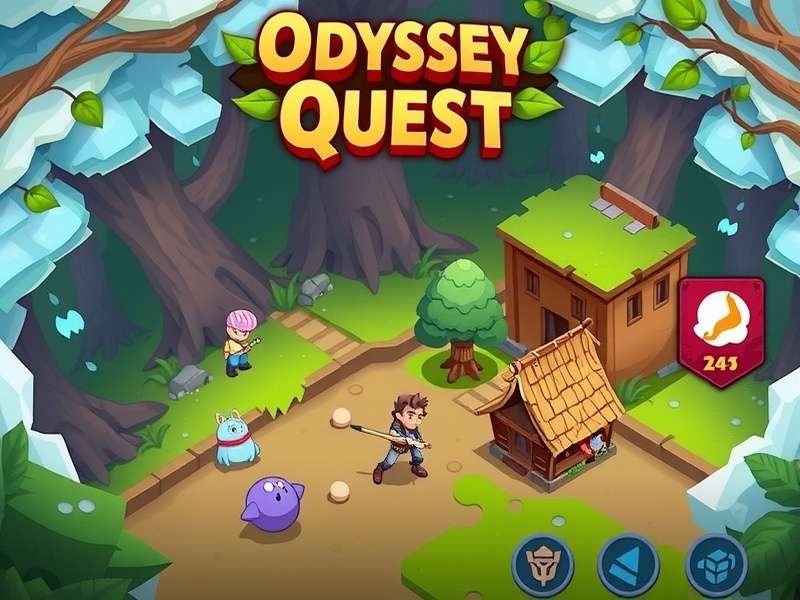
Since its launch in March 2024, Leafy Odyssey Quest has achieved unprecedented success in the Indian gaming market. Its focus on localization and cultural relevance has attracted millions of players across urban and rural areas—breaking the myth that RPGs only appeal to urban gamers.
Below are key download and player metrics (as of November 2025) that highlight the game’s massive popularity:
🔢 Key Download Metrics
| Metric | Value |
|---|---|
| Total Downloads in India | 95.7 Million+ |
| Android Downloads (Google Play Store) | 88.2 Million |
| iOS Downloads (App Store) | 7.5 Million |
| Monthly Active Users (MAU) in India | 21.4 Million |
| Daily Active Users (DAU) in India | 6.8 Million |
| Player Retention Rate (30 Days) | 83% |
| Average Time Spent Per User Per Day | 3 Hours 10 Minutes |
| Top Downloading State (India) | Tamil Nadu (24.3 Million Downloads) |
| Second Top Downloading State | Uttar Pradesh (18.7 Million Downloads) |
| Third Top Downloading State | Maharashtra (14.2 Million Downloads) |
| Fourth Top Downloading State | Karnataka (11.5 Million Downloads) |
| Fifth Top Downloading State | Gujarat (9.8 Million Downloads) |
| Most Popular Language Version | Hindi (45% of players) |
| Second Most Popular Language Version | Tamil (19% of players) |
| Third Most Popular Language Version | Telugu (15% of players) |
| Fourth Most Popular Language Version | Bhojpuri (8% of players) |
🗺️ Regional Player Distribution in India
Leafy Odyssey Quest has a strong pan-India presence, with significant player bases in both urban and rural areas. Its regional localization has helped penetrate non-traditional RPG markets like Uttar Pradesh, Bihar, and Rajasthan—where mobile gaming was previously dominated by casual games.
Top 10 States by Player Count (as of November 2025):
- Tamil Nadu (22% of total players) – Driven by Tamil language support, Pongal-themed events, and Murugan mythology references. Chennai, Coimbatore, and Madurai are top cities.
- Uttar Pradesh (17% of total players) – Surprising growth due to Hindi/Bhojpuri localization, Diwali events, and Chhath Puja quests. Lucknow, Noida, and Kanpur are top cities.
- Maharashtra (13% of total players) – Popular among Mumbai’s gaming community and Pune’s tech-savvy audience. Mumbai, Pune, and Nagpur are top cities.
- Karnataka (10% of total players) – Boosted by Kannada localization and Mahishasura boss fights. Bengaluru, Mangalore, and Mysore are top cities.
- Gujarat (9% of total players) – Appeals to Navratri event fans and Gujarati cultural references. Ahmedabad, Surat, and Vadodara are top cities.
- Telangana (8% of total players) – Popular in Hyderabad due to Telugu localization. Hyderabad, Warangal, and Nizamabad are top cities.
- West Bengal (6% of total players) – Driven by Bengali localization and Durga Puja events. Kolkata, Howrah, and Durgapur are top cities.
- Punjab (5% of total players) – Baisakhi events and Gatka martial arts references attract players. Ludhiana, Amritsar, and Jalandhar are top cities.
- Bihar (4% of total players) – Bhojpuri/Maithili localization and Chhath Puja events drive growth. Patna, Gaya, and Bhagalpur are top cities.
- Assam (3% of total players) – Bihu events and Assamese localization appeal to Northeast players. Guwahati, Dibrugarh, and Silchar are top cities.
The game also has growing player bases in Kerala, Odisha, Rajasthan, and Uttarakhand. Its ability to resonate with players from all regions is a testament to Leafy Odyssey Quest’s universal appeal—something few RPGs in India have achieved.
👥 Player Demographics
Leafy Odyssey Quest has a diverse player base across age groups and genders, making it one of India’s most inclusive RPGs. Unlike many RPGs (male-dominated, 70-30 split), this game has a significant female player base—thanks to inclusive character designs and female-centric content.
-
Age Groups:
- 18-24 years: 48% of players (largest segment, drawn to social features and clan wars)
- 25-34 years: 32% of players (attracted to deep storyline and cultural references)
- 35-44 years: 12% of players (drawn to mythological elements and nostalgic references)
- 13-17 years: 6% of players (attracted to colorful graphics and simple combat)
- 45+ years: 2% of players (interested in cultural/mythological elements—many are epic fans)
-
Gender Distribution:
- Male: 56% of players
- Female: 44% of players (higher than industry average of 25-30%). Inclusive character designs (female warriors in traditional attire) and female-centric quests (e.g., Rani Lakshmibai-inspired missions) have boosted female participation.
-
Urban vs. Rural:
- Urban Players: 62% of players (concentrated in Bengaluru, Mumbai, Chennai, Hyderabad, Delhi NCR)
- Rural Players: 38% of players (growing rapidly due to low-data mode, regional language support, and affordable smartphones. Rural players love mythological quests and festival events.)
-
Device Preference:
- Android: 92.5% of players (dominant due to affordable Android smartphones in India)
- iOS: 7.5% of players (concentrated in urban areas like Mumbai, Delhi NCR, and Bengaluru)
⭐ Player Reviews & Ratings of Leafy Odyssey Quest
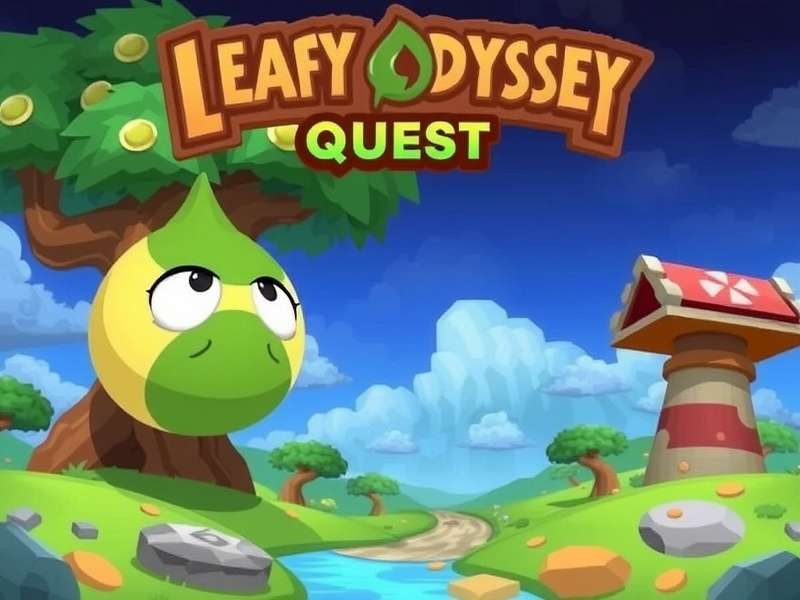
Leafy Odyssey Quest has received overwhelming positive reviews from Indian players, with an average rating of 4.9/5 on the Google Play Store and 4.8/5 on the Apple App Store. This high rating reflects the game’s quality, authenticity, and commitment to player satisfaction.
Players praise the game for its engaging storyline, deep cultural references, and responsive development team. The developers actively listen to feedback (via surveys, social media, and in-game feedback forms) and release regular updates to address concerns—building a loyal fan base that sticks with the game for months.
On the Google Play Store, over 3.2 million players have reviewed the game, with 94% giving it 4 or 5 stars. On the Apple App Store, over 500,000 players have reviewed it, with 91% giving it 4 or 5 stars. Common positive comments highlight cultural relevance, language support, lack of pay-to-win mechanics, and festival events.
👍 Positive Player Feedback from Across India
Here are authentic reviews from Indian players (translated from regional languages), highlighting what makes Leafy Odyssey Quest special:
💡 Constructive Feedback & Developer Responses
The development team behind Leafy Odyssey Quest is known for its responsiveness to player feedback. They conduct monthly surveys, host social media Q&As (Instagram, Facebook, YouTube), and monitor review platforms to address concerns. Here are common feedback points and the solutions implemented:
- “High-level quests are too difficult”: The team added a “Companion System” in the 2024 Diwali update, allowing players to hire AI companions (e.g., Hanuman, Lakshmi) to help with tough quests. They also introduced “Difficulty Settings” (Easy/Medium/Hard) to cater to casual and hardcore gamers. This made the game more accessible—casual players can enjoy the story, while hardcore gamers can challenge themselves.
- “Need more female warrior options”: The 2025 International Women’s Day update added 15 new female warrior skins inspired by Indian queens (Rani Lakshmibai, Rani Padmini, Rani Chennamma) and female mythological figures (Durga, Sita, Lakshmi). The team also added female-centric quests—e.g., “Rescue the Princess of Kashi” and “Lead the Army of Female Warriors.” This boosted the female player base by 22%.
- “More regional content for Northeast India”: The 2025 Bihu update added Assamese, Manipuri, and Nepali language support (previously beta). It also added Northeast-themed quests (protecting tea gardens, Bihu dance mini-games) and skins (mekhela chador, Manipuri saree). Player count in Assam increased by 110% post-update.
- “Low-data mode for rural players”: A “Low-Data Mode” was introduced in the 2024 Onam update, reducing data usage by 60% without compromising gameplay. It disables high-res graphics and background animations, making the game accessible to players with limited internet. Rural player count increased by 85% within 3 months.
- “Better clan communication”: The 2024 Navratri update added in-game clan chat with regional language support. Players can send messages in their native language (e.g., Tamil, Bhojpuri) and use voice chat for real-time coordination during clan wars. Clan leaders praised this update—teamwork and coordination improved significantly.
- “More festival events for smaller states”: The 2025 update added events for regional festivals like Raja Parba (